An AI Interactive Art Installation About Being Seen, Evaluated, and Denied
In a moment when artificial intelligence is increasingly embedded in everyday life, quietly shaping decisions, filtering access, and interpreting human behavior, Almost emerges as an interactive art installation that turns that invisible process into something you can feel.
Not understand. Feel.
Almost is an AI artwork that places you in front of a door. There is no interface to learn, no instructions to follow. You simply stand there, seen through your webcam, and wait as the system decides whether you are allowed in.
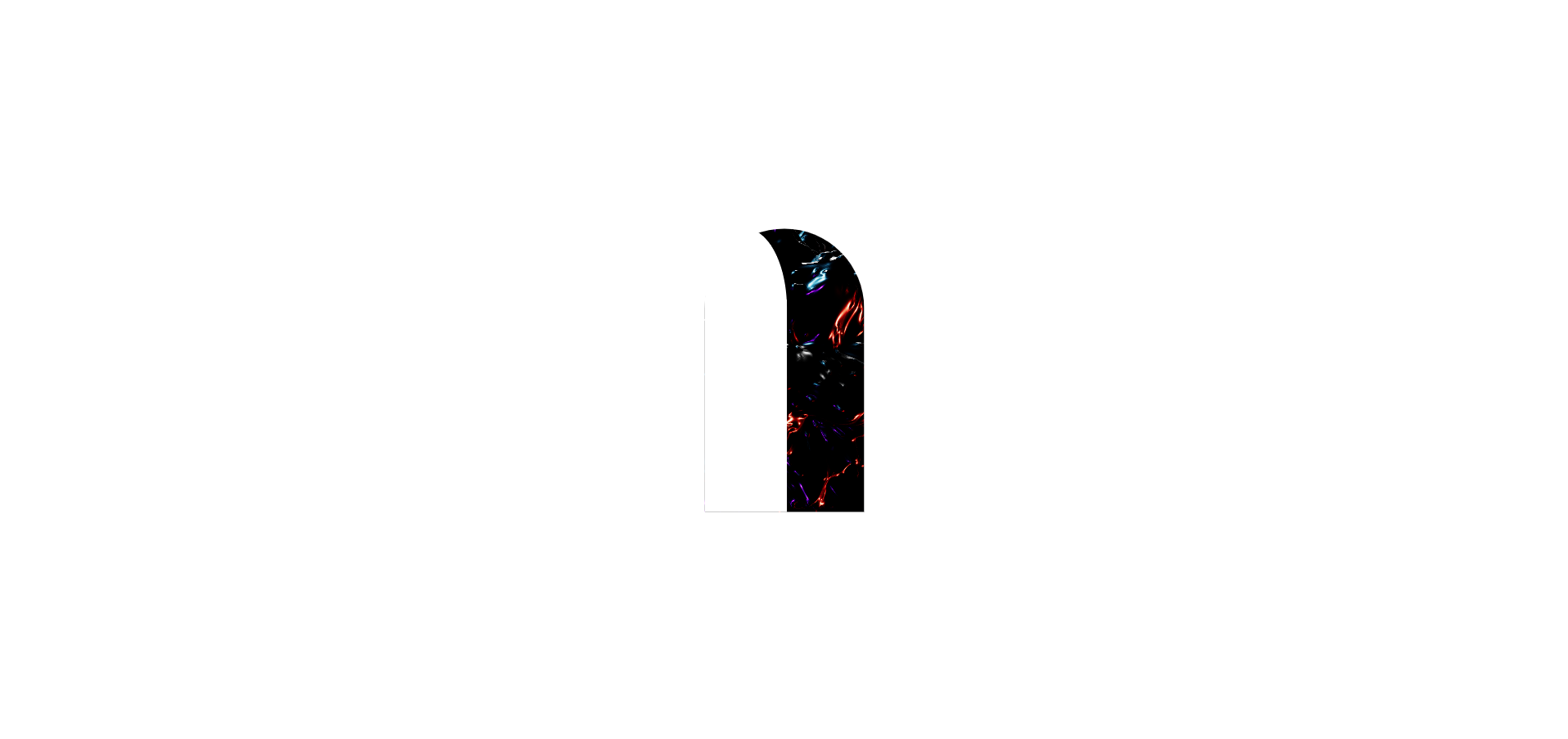
The experience unfolds in real time. A living, shifting form, something between a digital organism and a field of liquid metal, breathes behind the surface. It reacts to your presence, responding to subtle changes in your expression. But this responsiveness is misleading. It suggests awareness, even empathy, yet it offers no control.
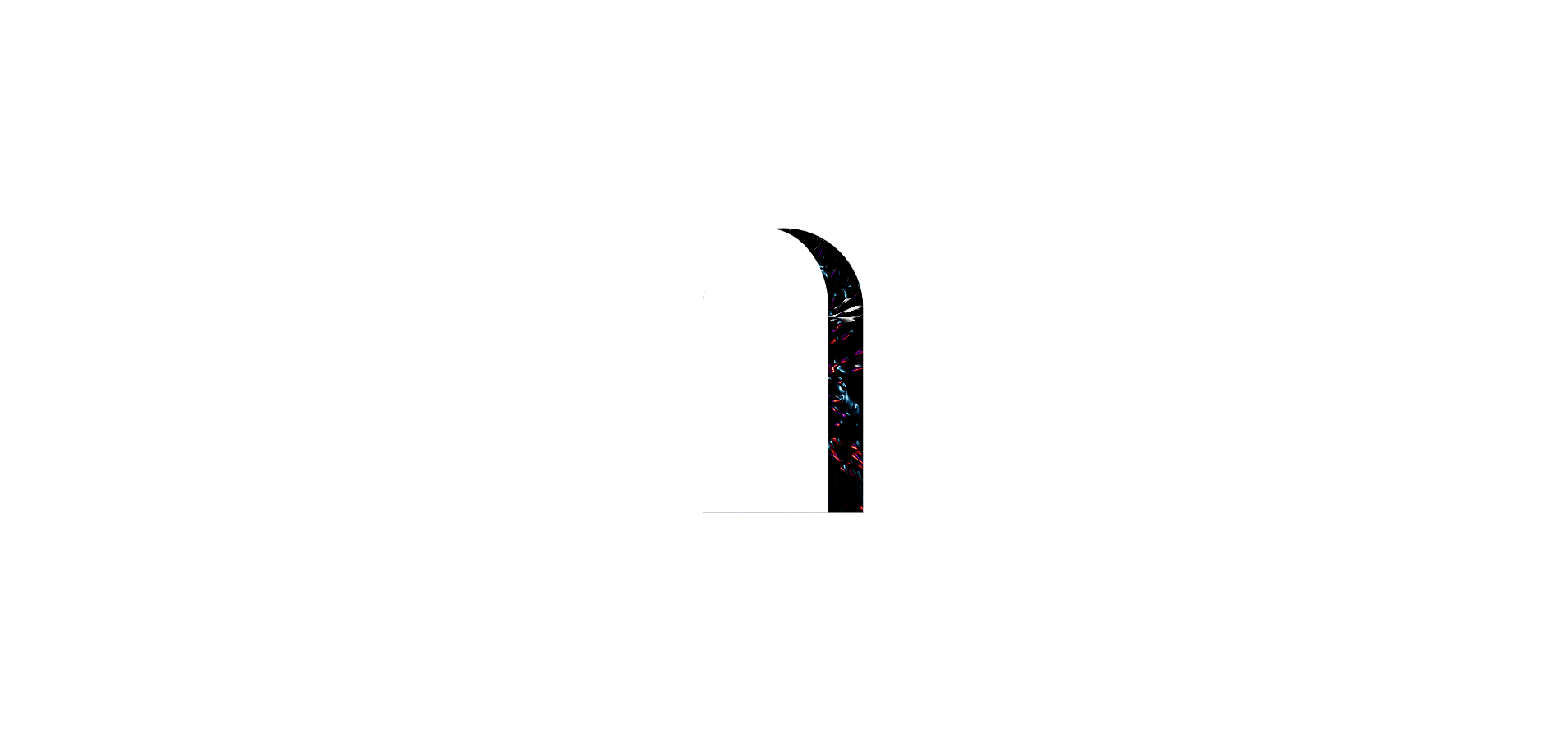
At the center of the piece, a door opens and closes with an unsettling imbalance slow to welcome, quick to deny. It does not respond to you in any direct way. Instead, it responds to an AI system interpreting you.
And that distinction matters.
Your expressions are captured and translated into data, small fragments of emotion, sampled over time. This becomes a kind of temporary identity, passed into an AI model that evaluates you within a shifting, unstable context. The system considers how long you’ve been there, how often you’ve returned, and something more abstract: a persistent mood that evolves across time.
But this is not a clean or objective process. The system forgets. It distorts. It introduces noise. It occasionally contradicts itself. What feels like judgment is often just drift.
This is where the mystique of AI begins to surface, not as intelligence in the human sense, but as something more opaque. Something that appears to see deeply, while remaining fundamentally unknowable.
At times, the door flickers open, a brief, almost accidental moment that feels like recognition. But these moments collapse quickly, revealing themselves not as decisions, but as anomalies. Glitches. Fractures in a system that was never designed to be fully understood.
In this way, Almost reflects a broader reality of AI-driven systems in contemporary digital experiences. We are increasingly evaluated by mechanisms we cannot see, cannot question, and cannot fully comprehend. Access is granted or denied not through clear logic, but through layered processes of interpretation, probability, and bias.
The installation does not attempt to explain these systems. Instead, it recreates their emotional impact.
What does it feel like to be seen but not understood?
To be evaluated without transparency?
To wait for a decision that rarely arrives?
Over time, the interaction becomes less about the door and more about the space it creates, a space of suspension, ambiguity, and quiet tension. You are not rejected, but you are not accepted either. You remain in a state of near-access, held just outside of resolution.
This is the core of Almost.
Not exclusion.
Not inclusion.
But proximity.
In an era of AI-generated content, machine learning systems, and real-time behavioral analysis, Almost positions itself as both artwork and reflection, a digital installation that transforms abstract computational processes into a human experience of waiting, uncertainty, and near-recognition.
It does not reveal how AI works. It reveals how it feels.
And in that feeling, something lingers, an awareness that the systems shaping our digital lives may not be designed to understand us at all, but simply to decide.
You are seen. You are processed.